

Storm & Hail Damage Roof Repair in Austin, TX
Hail, high winds, and severe storms can leave roofing damage that is easy to miss from the ground. Dayton Co. Roofing & Renovation can inspect the affected areas, identify what happened, and help determine whether your roof needs a targeted repair, leak repair, or more extensive work.
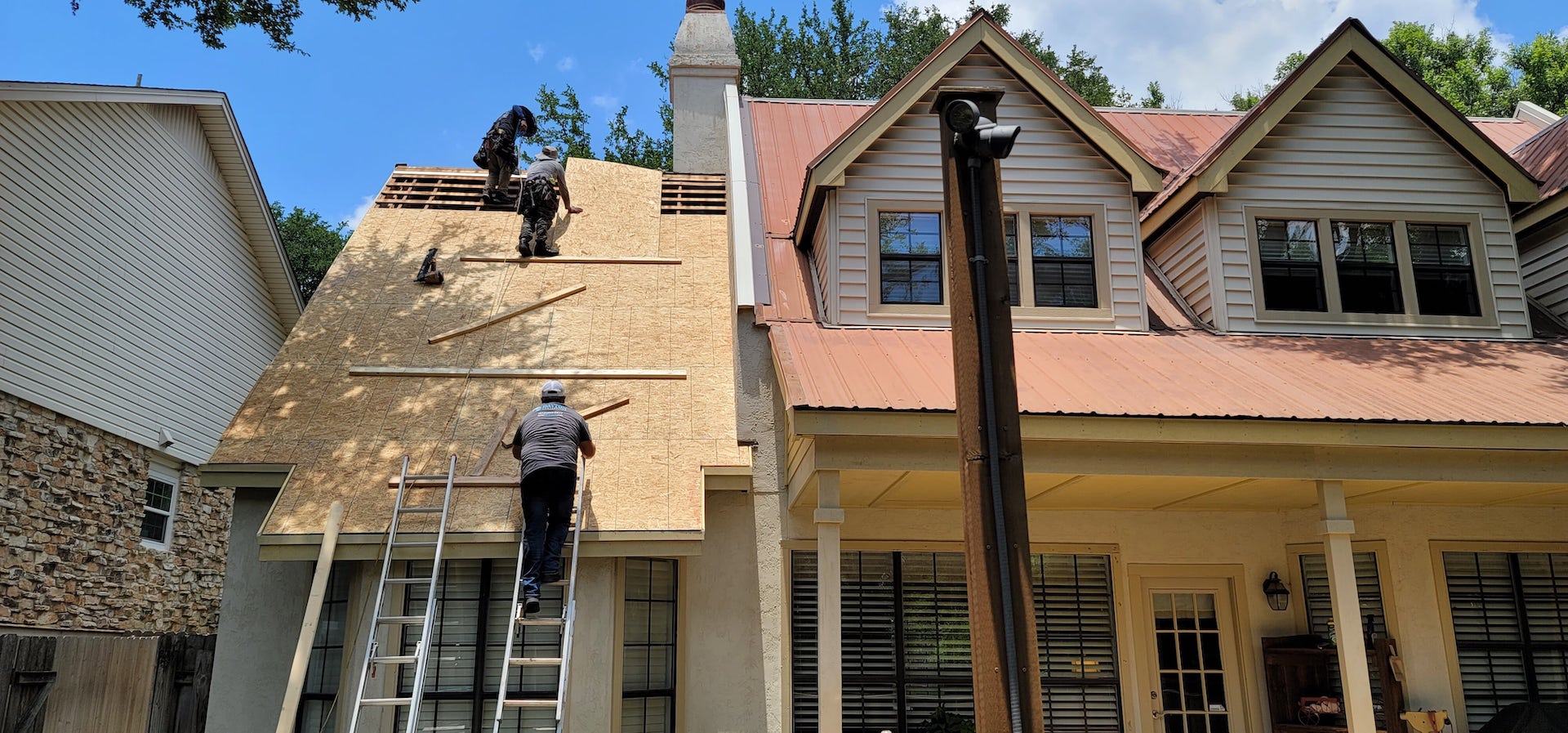
Protect the Home First. Investigate the Roof Second.
If a storm has just passed through Austin and you suspect roof damage, resist the temptation to climb onto the roof yourself. Roofing surfaces can be slippery, unstable, or more damaged than they appear.
Instead, look for signs from a safe location and check the interior for water stains, dripping water, damp areas, or other evidence of water entry. If there is an active leak, protect belongings and address the source as soon as practical.
A professional assessment can then determine whether the storm caused damage and what kind of roofing work is appropriate.
Four Smart Steps After a Hail or Wind Storm
You do not need to diagnose the roof yourself. These first steps can help you protect the home and give your roofing contractor useful information.
Stay Off the Roof
Do not climb up to look for hail impacts or missing shingles. A professional can assess the roof without putting you at unnecessary risk.
Look From the Ground
Check for obvious missing shingles, loose materials, damaged flashing, fallen branches, or debris without walking on the roof.
Check for Water
Look inside for ceiling stains, active dripping, damp insulation, or other signs that water may have entered the home.
Arrange an Inspection
Have the roofing system evaluated before assuming the damage requires either a simple repair or a complete replacement.
What Storm & Hail Damage Can Look Like
Storm damage does not always announce itself with an immediate leak. Hail and wind can affect different parts of the roofing system, which is why a closer evaluation matters after significant weather.
Bruised or Impacted Shingles
Hail impacts can leave marks or damage on shingle surfaces that may be difficult to recognize from the ground.
Missing or Lifted Shingles
Strong winds can loosen or remove roofing materials, exposing areas of the roof to additional weather.
Cracked Roofing Materials
Impact or wind-related movement can contribute to cracks and other visible deterioration in roofing components.
Damaged Flashing
Flashing around roof transitions and other details can become compromised and create opportunities for water intrusion.
Roof Penetration Problems
Vents, pipes, and other penetrations are areas where storm-related damage or deteriorated seals can contribute to leaks.
Interior Water Damage
A ceiling stain or active leak can indicate that water has moved through the roofing system and needs prompt investigation.
Start With a Storm Damage Roof Inspection
The goal of an inspection is not simply to find one damaged shingle. Dayton Co. evaluates the roofing system and the areas most likely to reveal storm-related problems, then explains what the findings mean for the next step.
- Shingles and other visible roof coverings
- Flashing around vulnerable transitions
- Roof penetrations and seals
- Roof edges and exposed areas
- Visible signs of hail or wind damage
- Conditions that may contribute to water entry
No Visible Leak Does Not Automatically Mean No Damage.
Hail and wind can affect roofing materials without immediately producing an interior water problem. An inspection provides a better basis for deciding whether the roof needs repair, monitoring, or more extensive work.
Schedule a Roof Inspection →The Right Repair Depends on What the Storm Damaged
Storm damage can affect different roofing materials and components. Dayton Co. evaluates the affected area and recommends work based on the actual condition rather than assuming every storm requires a complete roof replacement.
Shingle Repairs
Damaged or missing shingles and related flashing problems can sometimes be addressed with targeted repairs when the surrounding roof remains in suitable condition.
Explore Shingle Repairs →Roof Leak Repair
If a storm leaves water entering the home, identifying the actual source matters. Dayton Co. investigates the roofing conditions contributing to the leak before repairing them.
Explore Leak Repairs →Broader Roof Repair
Storm-related work can involve flashing, shingles, tile, metal roofing, flat roofing, or other affected components depending on the type of roof and damage.
Explore Roof Repair →Not Every Damaged Roof Needs the Same Solution
The extent of the storm damage and the condition of the existing roofing system both matter. A localized issue may be repairable, while widespread damage or an aging roof can make replacement the more appropriate conversation.
When Damage Is Localized
Targeted repair can be appropriate when the affected area is limited and the remaining roofing system is in reasonable condition.
- Limited shingle or roofing damage
- Localized flashing problems
- A defined leak source
- Repairable storm-related components
When Damage Is Widespread
A larger project may need to be considered when storm damage affects substantial portions of the roof or the existing system was already significantly worn.
- Extensive storm damage across the roof
- Widespread deterioration
- Repeated repairs in multiple areas
- An older roof with significant damage
Need to Navigate the Insurance Side Too?
Storm damage can turn a roofing problem into an insurance process. Dayton Co. can help document the roofing condition, explain the work identified, and coordinate with the roofing side of the claim.
Explore Insurance Claim Support →A professional roofing assessment can create a clearer record of affected areas and the conditions found.
Dayton can explain the roofing repairs or replacement work that may be appropriate based on the inspection.
Dayton's insurance-claim process includes coordinating with adjusters and reviewing roofing-related claim documents.
Coverage, deductibles, and claim decisions are determined by the homeowner's insurance policy and provider.
From Storm Damage to a Roofing Plan
Dayton Co. keeps the roofing side of the process straightforward: evaluate the damage, explain the findings, and determine what work the roof actually needs.
Inspect
Examine the roof for visible hail, wind, leak, and material-related damage.
Document
Identify affected areas and document relevant roofing conditions.
Explain
Review what was found and discuss the repair or replacement options.
Restore
Complete the appropriate roofing work based on the condition and agreed scope.
Austin Storms Can Put a Roof to the Test
Austin-area homes experience intense sun and heat along with thunderstorms, high winds, and hail. A roof that looks fine before a storm can have newly damaged shingles, flashing, or other vulnerable areas afterward.
That is why post-storm roofing decisions should be based on an evaluation of the actual roof rather than assumptions about what the weather may have done.
Dayton Co. is a family-owned Austin roofing and renovation company founded in 2003. The team brings more than two decades of local roofing and exterior experience to repair, replacement, leak investigation, and storm-related roofing work.
Questions About Storm-Damaged Roofs
What does hail damage look like on a roof?
Hail damage can include bruising or impact marks on shingles, damaged roofing materials, and problems around exposed roof components. Some damage is difficult to identify from the ground, which is why a professional inspection can be useful after significant hail.
How do I know if my roof has wind damage?
Missing, lifted, cracked, or displaced shingles and other loose roofing materials can indicate wind damage. Flashing and roof details may also need to be evaluated after strong winds.
Should I have my roof inspected after a hail storm?
An inspection can help identify storm-related damage that may not produce an immediate leak or be obvious from the ground. It can also provide useful information before deciding whether repairs or other roofing work are necessary.
Can hail damage be repaired without replacing the entire roof?
It depends on the extent of the damage and the existing condition of the roofing system. Localized damage may be repairable, while widespread damage or an already-worn roof may require a larger project.
Will Dayton Co. help with my storm damage insurance claim?
Dayton Co. can inspect and document roofing damage, explain the roofing work that may be needed, and work with adjusters regarding the roofing scope. Insurance coverage and claim decisions are determined by the homeowner's insurance provider.
What should I do if my roof is leaking after a storm?
Avoid climbing onto the roof. If it is safe to do so, protect belongings from interior water and arrange for the roof to be inspected so the source of the leak can be identified and addressed.
Does storm damage always mean I need a new roof?
No. Some storm-related problems are limited enough for targeted repairs. The appropriate solution depends on the location and extent of the damage and the overall condition of the existing roofing system.